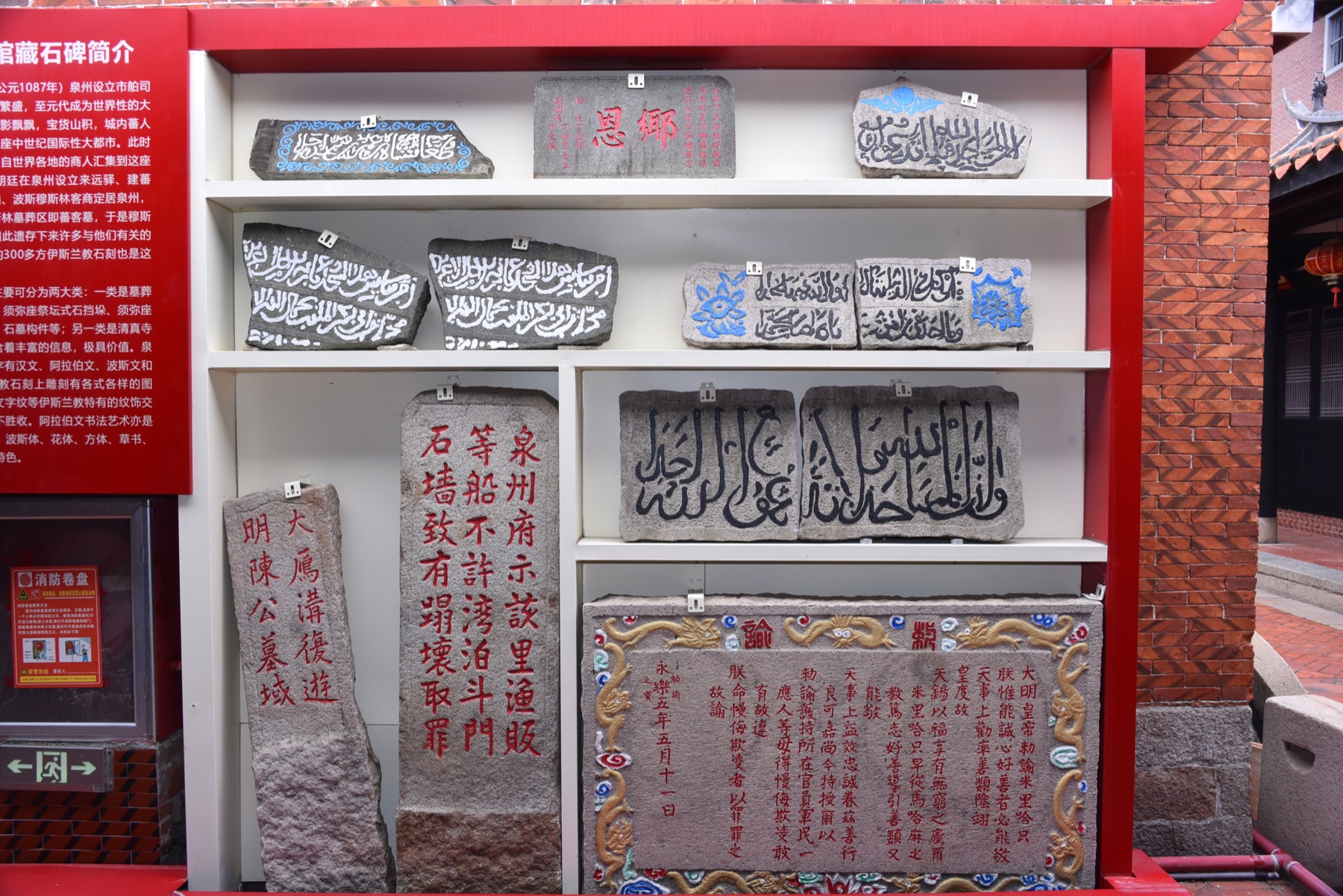
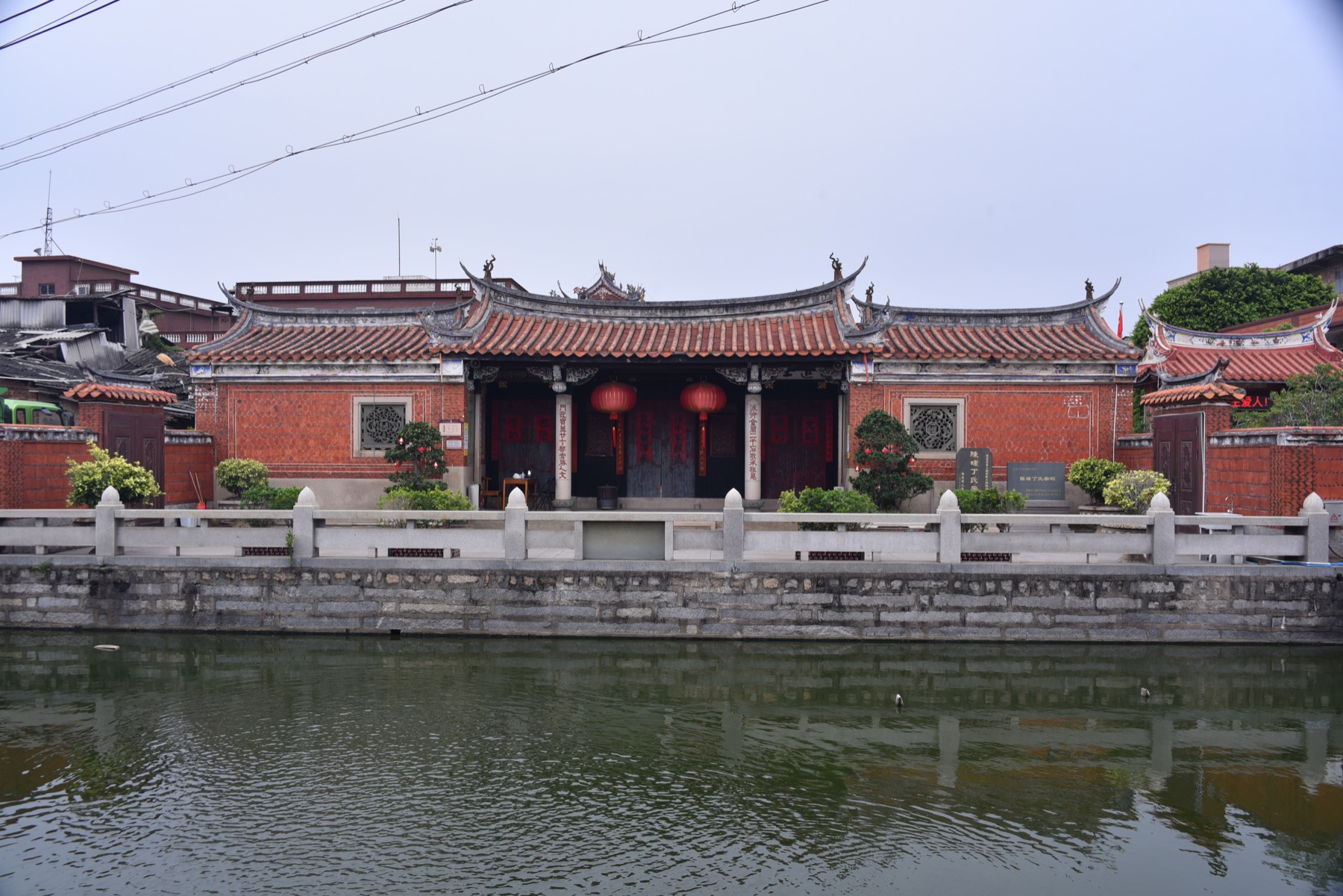
View of the Ding ancestral temple / 丁氏宗祠建筑实景

DING CLAN · CHENDAI

A Temple of Many Identities一座宗祠,多重身份

The Ding Clan Between Heritage, Local Culture, Public Service, and Trade

丁氏家族在祖源、地方文化、仕途与商贸之间的身份变迁

A Minnan ancestral temple.一座闽南宗祠。A family with Persian and Arab ancestral roots.一个拥有波斯与阿拉伯祖源的家族。How can multiple identities coexist in one place?多种身份,如何在同一空间里共存?
Begin the Story 开始探索

Chapter 01 · Origins

Who are they?他们是谁?

By combining a review of existing academic research with firsthand field observations, this study examines how the Ding clan's identity is shaped by historical survival strategies, modern government policies, and physical spaces like their ancestral halls and tombs. [1]本研究结合既有学术研究与实地观察,考察历史上的生存策略、现代政府政策,以及宗祠和墓葬等物质空间如何共同塑造丁氏的身份。 [1]

The following sequence brings together the clan’s ancestral narrative and documented settlement history. It does not reconstruct a verified itinerary for any individual ancestor. [2][3]以下内容将家族祖源叙事与有文献依据的定居史并置,不将它们拼接成某位祖先已经得到证实的完整行程。 [2][3]

Ancestral Narrative祖源叙事Lineage Account in Published Sources文献所载族源叙事

Persian & Arab Ancestry

波斯与阿拉伯祖源

The Ding clan traces its ancestry to Sayyid Ajjal Shams al-Din. Lai Baolin’s account places Jiezai, the founding ancestor of the Chendai branch, in the Song–Yuan period and describes his move from Suzhou to Quanzhou for trade. This is a lineage account preserved in historical writing. [2]丁氏将祖源追溯至赛典赤·瞻思丁。赖宝林的文章将陈埭支系始祖节斋置于宋元时期,记述他由姑苏来泉州经商、定居。这是通过历史文献保存下来的家族祖源叙事。 [2]

Source note: See the cited references below for the source and historical context.资料说明:[2] 赖宝林(1983),《略谈回族陈埭“丁”史》,第二节“陈埭回族的祖先”。

DOCUMENTARY EXCERPT

“Jiezai, the founding ancestor of the Chendai Dings, was also Hui. In the Song–Yuan period, he travelled from Suzhou to Quanzhou as a merchant and settled in Wenshanli.” [2]“陈埭丁姓,始祖节斋,亦回族人远在宋元年间,经商行贾,由姑苏来泉,定居文山里。” [2]

After arriving in a new place, do ancestral origins disappear—or remain in new forms?到达一个地方以后,祖源会消失,还是会以新的形式留下?

Chapter 02 · Cultural Encounter

How do cultures meet in architecture?文化如何在建筑里相遇?

Cultural relationships are not simple oppositions. We begin with location, overall form, and detail before asking where a form may have come from and how it was recombined.不把文化关系处理成简单对立。先看位置、整体与细节,再讨论形式可能来自哪里、如何被重新组合。

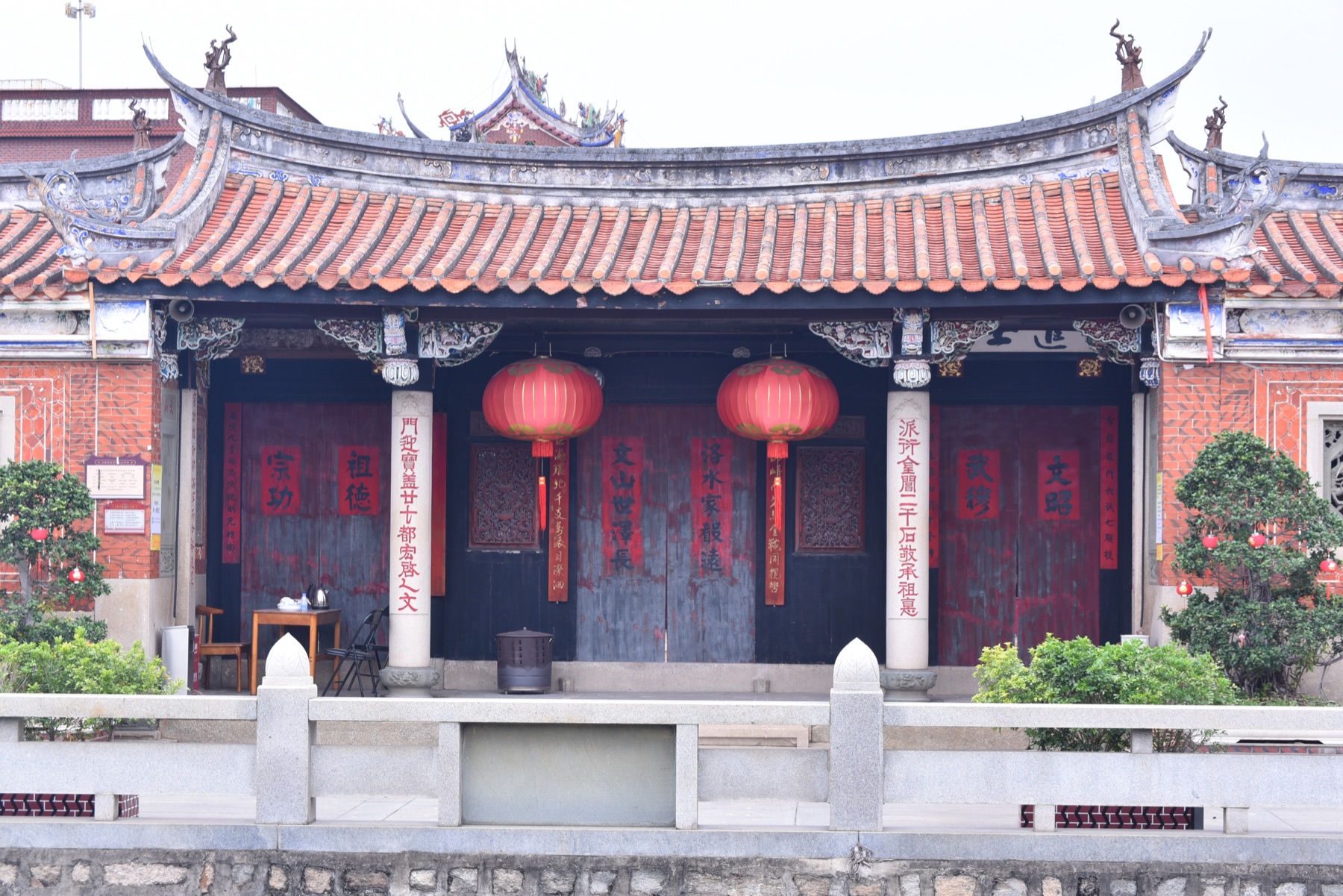
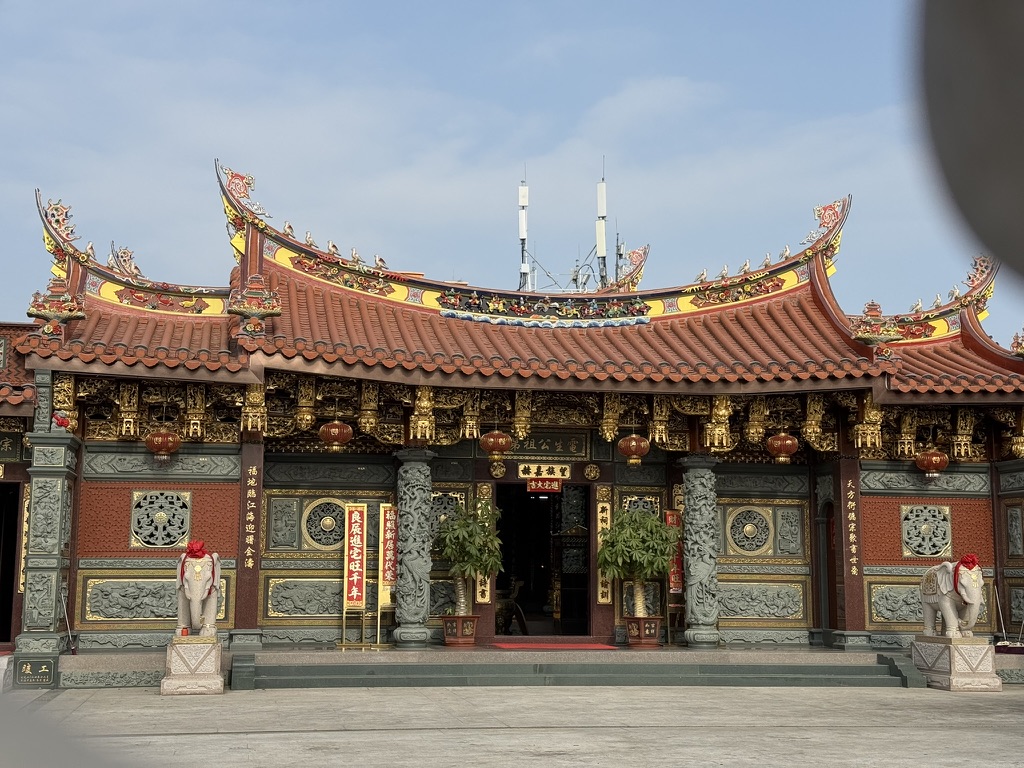
View of local temple architecture / 地方寺庙建筑实景
Details of inscriptions and writing / 碑刻与文字细节
Inscriptions & Writing碑刻与文字线索Local Architecture地方建筑语境
01

Stone Columns & Bases石柱与柱础

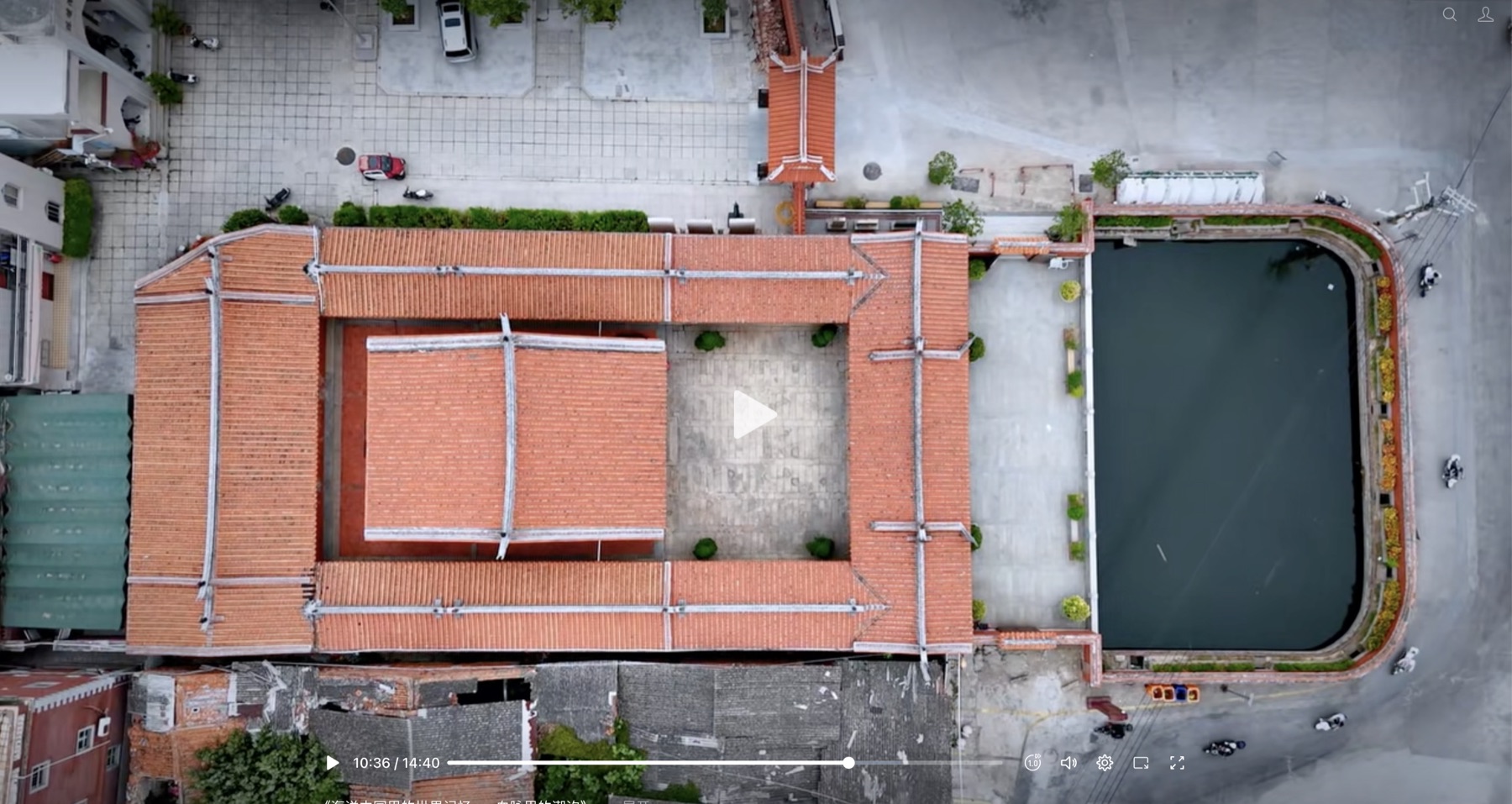
The hall’s structure uses brick, stone, and timber. Its front entrance has a three-bay porch supported by four columns. In the main hall, the side frames use column-and-tie construction, while the central bay uses a beam system with fewer columns, leaving more space for ritual gatherings. [5]宗祠采用砖、石、木构造,前厅入口设三开间四柱门廊。中堂两侧梁架采用穿斗式,明间采用抬梁减柱法,使礼仪活动所在的中央空间更为开敞。 [5]

Documented Architecture文献所载建筑
02

Entrance & Plaques入口与匾额

The sheer size of the community earned them the historical signature “Tens of thousands of Dings in Chendai” (陈埭万人丁). [1] Inside the hall, “百代瞻依” hangs above the ancestral tablets, while “绥我思成” appears in the rear hall. These inscriptions connect the names of ancestors with the practice of remembrance. [5]庞大的宗族规模使这个社区获得了“陈埭万人丁”的历史称谓。 [1] 宗祠内部,祖先神主上方悬挂“百代瞻依”,后殿悬挂“绥我思成”。这些题字将祖先的名号与后人的追思联系起来。 [5]

Confirmed Fact已确认事实
03

Auspicious Bird Imagery祥禽图像

According to the museum director, the image is formed by Arabic calligraphy, but its exact meaning is already unidentifiable. [1] A published heritage account also identifies the carving as a bird formed from Arabic calligraphy. The name “auspicious bird” records an interpretation of the image; it is not a verified word-for-word translation. [5]据史馆负责人介绍,这一图像由阿拉伯文字组成,但其确切含义已无法辨认。 [1] 文物介绍也将这一木雕记为由阿拉伯文字组成的鸟形图案。“吉祥鸟”是对图像的称呼与解释,并不等于阿拉伯文已经得到逐字译读。 [5]

Oral History口述历史
04

Geometric & Botanical Motifs几何与植物纹样

Lai Baolin describes lotus-leaf-like carvings on the stone railings of the Ding ancestral tombs at Lingshan. These details can be compared with the tomb’s overall form, but a shared motif alone cannot establish a single cultural origin. [2]赖宝林记述,灵山丁氏祖墓的石栏杆保留有“莲花叶”状雕刻。将这些细部与墓葬整体形制对照,可以讨论造型之间的联系,但不能只凭共同纹样确定单一的文化来源。 [2]

Historical Research历史研究
05

Arabic & Chinese阿拉伯文与中文

Chinese plaques name the lineage and honour ancestors; Arabic calligraphic decoration preserves another layer of the hall’s history. “百代瞻依” expresses enduring reverence and reliance. Its literal wording is distinct from the ancestral-name associations discussed in the field report. [1][5]中文匾额标示宗族、表达追思,阿拉伯文装饰则保存了宗祠历史的另一层线索。“百代瞻依”表达长久的瞻仰与依归;它的字面意思,应与田野报告讨论的祖名联想区分。 [1][5]

Curatorial Interpretation策展解读
06

Painting, Couplets & Calligraphy绘画、楹联与书法

The hall preserves plaques commemorating examination success and ancestral achievements, alongside couplets about local history, landscape, and family memory. These inscriptions show what the lineage chose to honour and pass on through its ritual space. [5]宗祠保存着纪念科举功名、彰扬祖先事迹的匾额,以及书写地方历史、环境与家族记忆的楹联。这些文字说明,宗族如何借礼仪空间选择并传承值得纪念的人与事。 [5]

Historical Research历史研究
Complex identity is not a side-by-side display of old elements, but a new combination formed through sustained contact.复杂身份并非旧元素的并排陈列,而是长期接触之后形成的新组合。

Chapter 03 · Transition

From Public Service to Commerce从仕途到经商

How did social roles change, and how did the family reinterpret itself in different periods?社会角色如何改变,家族又如何在不同时代重新理解自己?

Historical Research历史研究

From Education and Public Service to Clan Governance从教育、仕途到宗族治理

They adopted Confucian norms. The family actively participated in the imperial examination system, championing a philosophy of “following Confucianism while preserving Hui teachings”. [1] Education, official service, and the upkeep of lineage institutions were connected. Li’s study shows how genealogy, family education, and ancestral worship helped the Dings establish their position in local society. [3]他们接受儒家规范,积极参与科举制度,并推崇“从儒而存回教”的观念。 [1] 教育、仕途和宗族制度的维持彼此关联。李国彤的研究表明,修谱、家族教育与祭祖活动共同参与了丁氏在地方社会中地位的形成。 [3]

01

Education & Examinations教育与科举

Genealogies celebrated examination success and made family education a lineage concern. Ding Zishen’s genealogical work highlighted relatives who held examination degrees. [3, p. 147]族谱将科举成就作为宗族荣誉,也将子弟教育纳入家族事务。丁自申修谱时,特别表彰取得科举功名的族人。 [3, p. 147]

02

Public Service公共服务

The field report identifies Ding Qijun as a late Ming political figure and Ding Gongchen as a later specialist in munitions. Their commemoration extended the hall’s public memory beyond examination degrees. [1][5]田野报告提及晚明政治人物丁启濬及后来的军火科学家丁拱辰。对这些人物的纪念,使宗祠中的公共记忆超出了科举功名本身。 [1][5]

03

Clan Governance宗族治理

Li records that Ding Yii (丁怿, 1484–1573) contributed half the cost of building the ancestral hall and donated land to support ancestral offerings. Shared property helped sustain ritual obligations. [3, p. 147]李国彤记述,丁怿(1484—1573)捐助了修建宗祠的一半费用,并捐田供祭祖使用。共有财产为持续履行祭祀义务提供了基础。 [3, p. 147]
Chapter 04 · Explore the Temple

Explore the Ancestral Temple走进宗祠

Choose six spatial hotspots to understand, layer by layer, how architecture, writing, motifs, ritual, and contemporary exchange bring multiple identities into one place.选择六个空间热点,从建筑、文字、纹样、礼仪到当代交流,逐层理解同一空间中的多重身份。

Zoom缩放100%
丁氏宗祠空间俯视影像 / Aerial view of the Ding ancestral temple

Aerial View空间俯视

Chapter 05 · Identity Today

Where does identity happen today?身份今天在哪里发生?

The ancestral temple does not stand alone. Identity is formed together with community, urban space, places of faith, work, and contemporary choices.宗祠并不孤立存在。它与社区、城市空间、信仰场所、工作和当代选择一起构成身份。

View related to Chendai / 陈埭相关实景

PLACE 01

Chendai陈埭

The local life and family space surrounding the ancestral temple.宗祠所在的地方生活与家族空间。

Place Relationships NOT TO SCALE · 非地理比例

Recorded Interviews

Real voices, recorded on site真实声音,进入现场

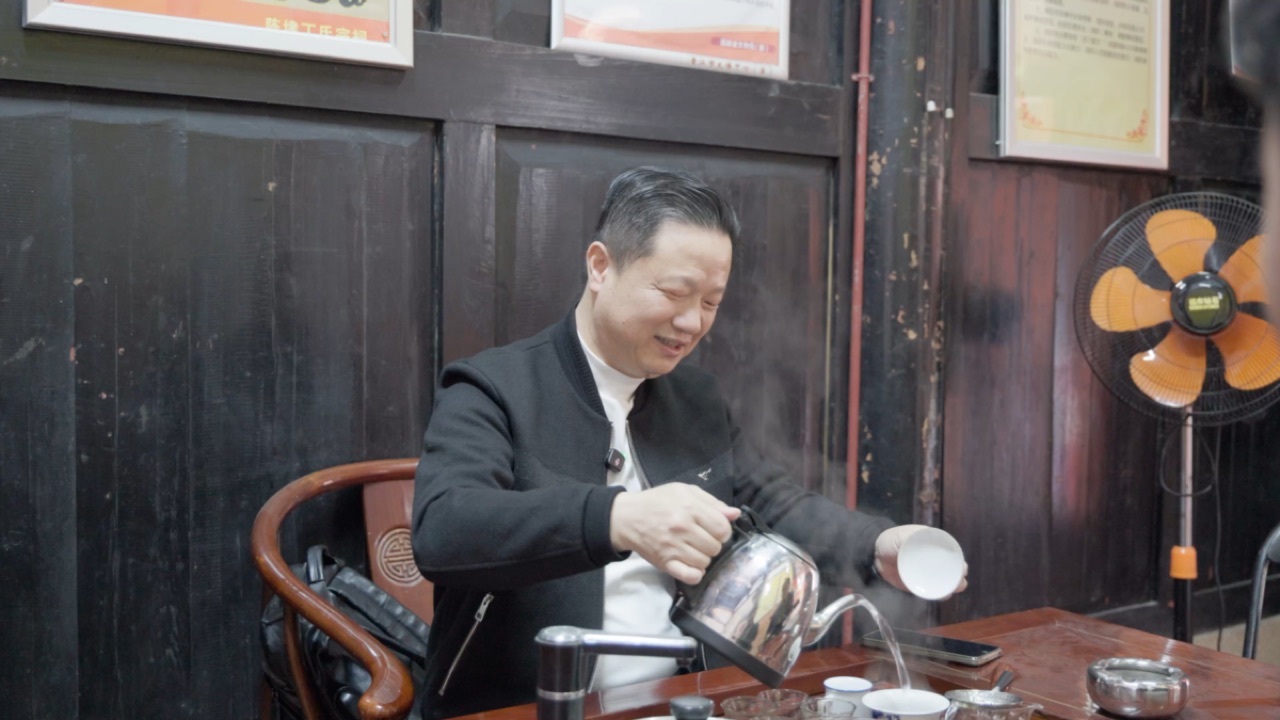
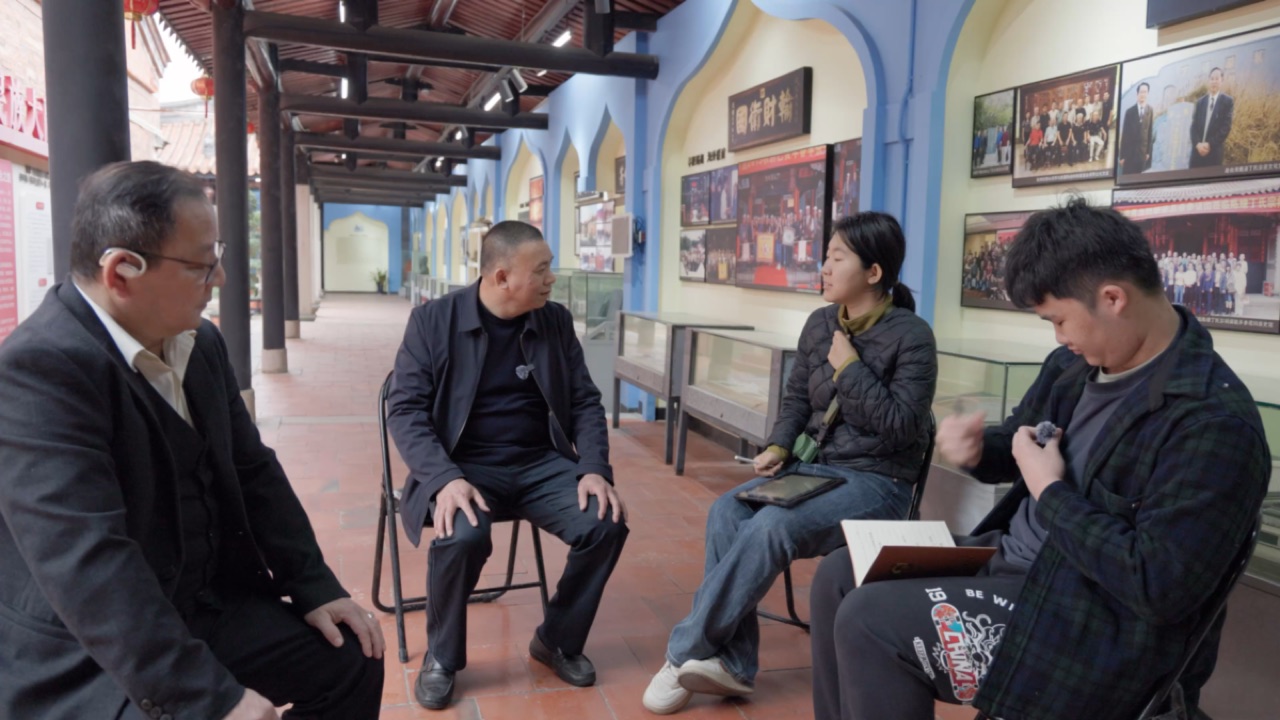
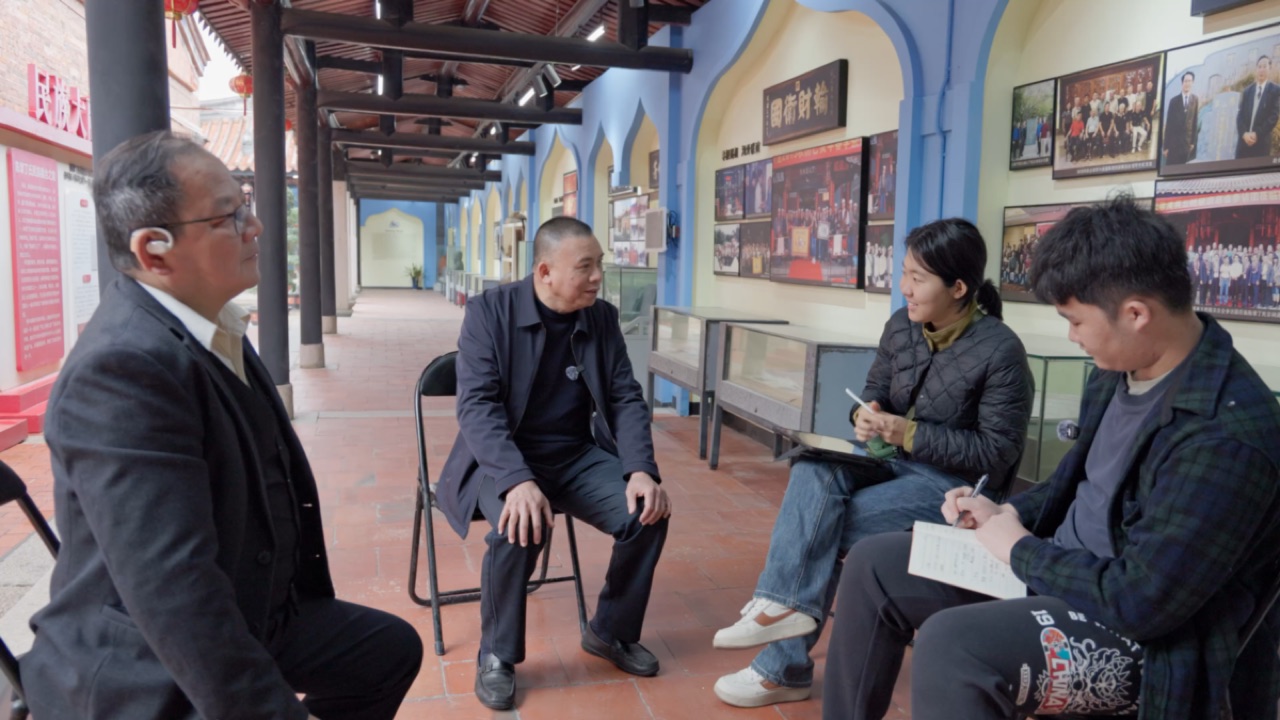
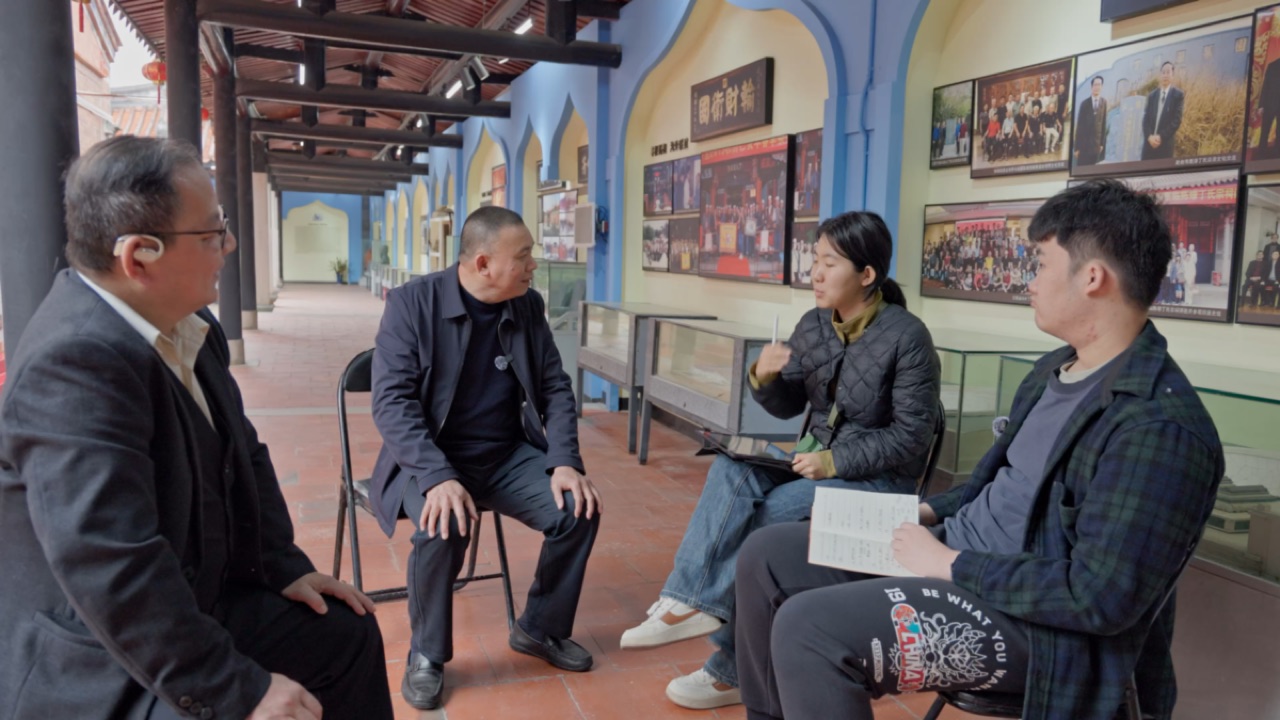
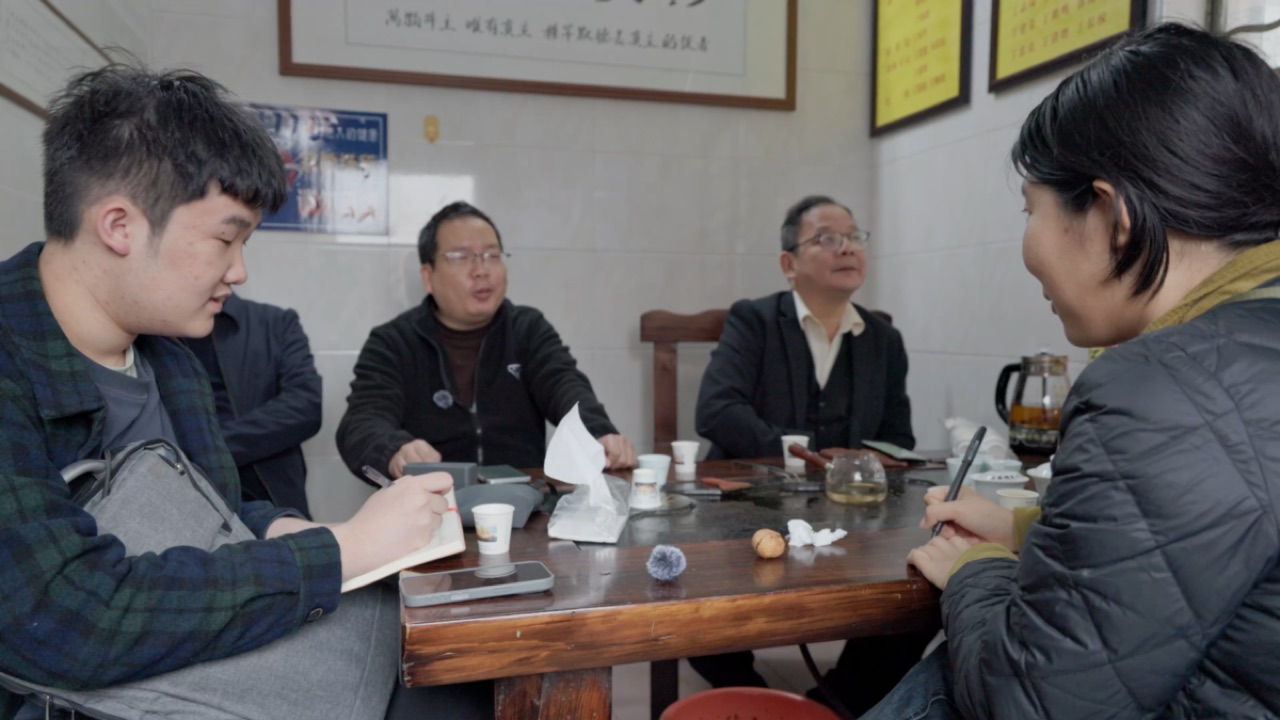
First-hand sources about history and demographics were primarily gathered through semi-structured interviews with four Ding clan members and key informants on the Chendai Hui Commission (陈埭回族事务委员会). All four members are engaged in foreign trade. [1]关于历史与人口情况的第一手材料,主要通过对四位丁氏族人及陈埭回族事务委员会相关关键知情人的半结构式访谈获得。四位受访者均从事外贸工作。 [1]

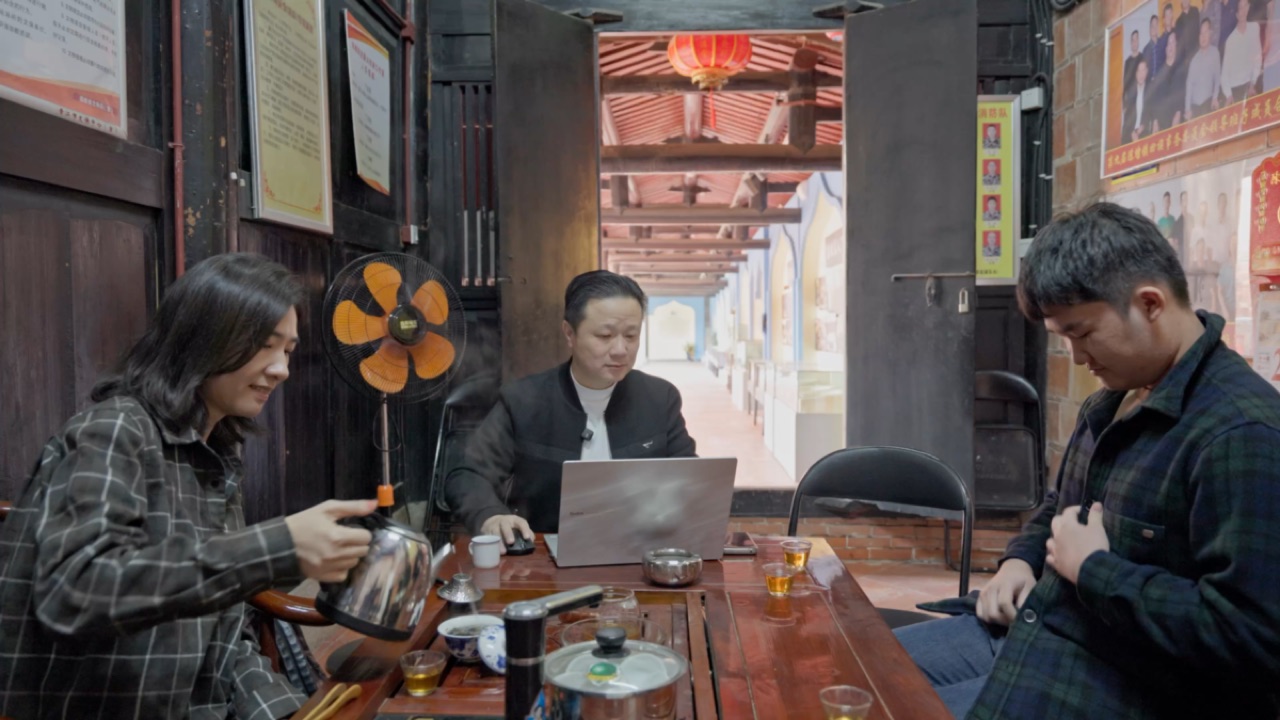
This page retains positions for six video segments, but the recordings are temporarily unavailable. The number of segments is not the number of interviewees. Participants remain anonymous; a verified transcript and a speaker-to-segment index are not yet available. [1]本页保留六段采访影像的位置,视频暂时下架。影像段数不等于受访者人数。受访者保持匿名,目前尚无已核校的逐字稿及“受访者—片段”对应表。 [1]

Interview inside the ancestral temple / 宗祠内访谈INTERVIEW 01Temporarily unavailable视频暂时下架Interview inside the ancestral temple宗祠内访谈Recorded Interview 01采访影像 0104:01
Roundtable conversation / 围桌交流INTERVIEW 02Temporarily unavailable视频暂时下架Roundtable conversation围桌交流Recorded Interview 02采访影像 0219:31
Gallery interview I / 展廊访谈(一)INTERVIEW 03Temporarily unavailable视频暂时下架Gallery interview I展廊访谈(一)Recorded Interview 03采访影像 0325:17
Gallery interview II / 展廊访谈(二)INTERVIEW 04Temporarily unavailable视频暂时下架Gallery interview II展廊访谈(二)Recorded Interview 04采访影像 0411:55
Gallery interview III / 展廊访谈(三)INTERVIEW 05Temporarily unavailable视频暂时下架Gallery interview III展廊访谈(三)Recorded Interview 05采访影像 0503:29
Indoor discussion / 室内座谈INTERVIEW 06Temporarily unavailable视频暂时下架Indoor discussion室内座谈Recorded Interview 06采访影像 0620:32

The six interview positions are being retained while the videos are temporarily unavailable.六个采访位置予以保留,视频暂时下架。

Reflection

Identity is not a single answer.

身份,不是一个单一答案。

What makes you who you are?

Choose a few words that matter to you and see how they come together to shape the self.选择几个对你重要的词,看看它们如何共同构成“我”。

Sources

References参考文献

Sources for the historical accounts and field observations presented here. Chinese translations of the author’s English excerpts were prepared for this website.本页历史叙述与田野观察的主要来源。作者英文节选的中文版本为网站译文。

  1. [1]

    罗昊宁:《What Makes Identity: A Field Report on the Chendai Ding Clan》。未刊田野报告,未标注写作日期。

    Field report / 田野报告

    Author’s field report / 作者田野报告

  2. [2]

    赖宝林(1983年10月):《略谈回族陈埭“丁”史》,泉州文史资料全文库;网页发布日期2016-08-16。使用第二、四、五、六节。

    第二、四、五、六节

    Read source / 查看原文 ↗
  3. [3]

    Guotong Li(李国彤)(2016). Transforming Islamic Customs with Confucian Rituals: Flexible Identities of the Muslim Ding Family in Late Ming Quanzhou.《明代研究》26:127–164。

    pp. 127–164

    Read source / 查看原文 ↗
  4. [4]

    泉州市人民政府(2015-10-24):《陈埭丁氏宗祠》。用于地址、布局及官方始建年代记述。

    文物保护单位介绍

    Read source / 查看原文 ↗
  5. [5]

    吴金鹏、高翠娥(2021-02-14):《【知我古邑 爱我晋江】晋江国保巡礼——陈埭丁氏宗祠》。现存资料为搜狐转载页面,文末署名“文字 / 吴金鹏 高翠娥”。

    搜狐转载

    Read source / 查看原文 ↗
  6. [6]

    季芳桐(2013):《现代化进程中回族经济与文化发展之研究——以晋江市陈埭镇七回族村为观察点》,第10回日中国际学术研讨会论文集。本文见原PDF第125–132页;使用印刷页114–117。

    引用页:114–117

    Read source / 查看原文 ↗
  7. [7]

    晋江新闻网(2021-06-28):《陈埭回族史馆》。用于1984年建馆、1991与1994年考察团来访,以及2006年全国重点文物保护单位记录。

    史馆沿革

    Read source / 查看原文 ↗